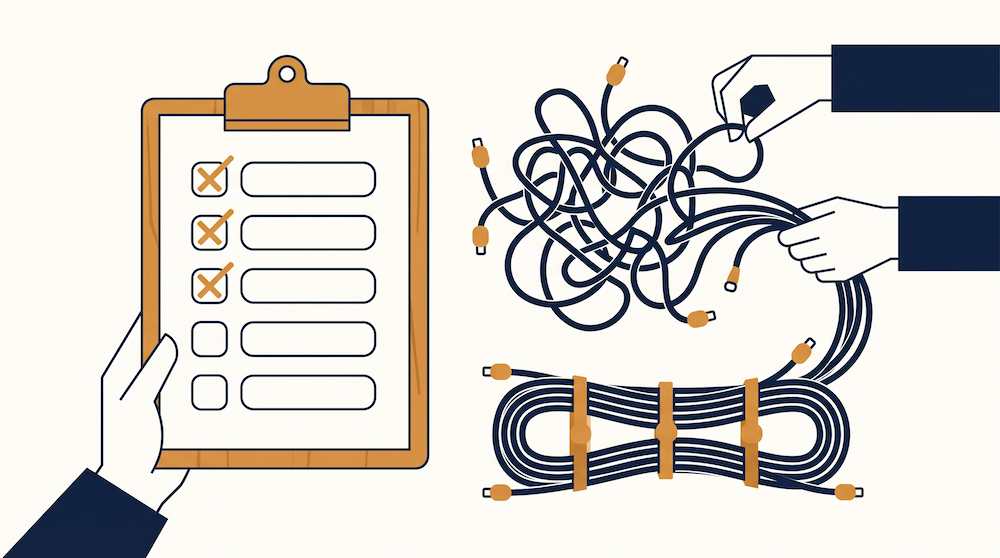
Most manufacturing websites look the same: built ten or fifteen years ago, hard to navigate, forms that go nowhere, and zero thought given to SEO. That was Pezo Solutions when we started working with them. Pezo designs custom workstations and precision automation for medical device manufacturers, tight-tolerance work for companies building things like catheters and surgical instruments. Their team is excellent at engineering. Their website wasn't built to sell that.
We used Claude to fix it, and the results changed how we approach every client engagement since.
Start with the people who actually know the business
Before touching a single page of the website, we sat down with Pezo's founders, sales team, and engineers and recorded hours of conversation. Not a structured interview, a real conversation: who they target and why, what makes their tolerances tighter than the next shop, why customers pick them, what a good case study actually sounds like in their own words.
That's where we found the real story. Pezo doesn't just build workstations. They handle full line automation for assembly, which meant they could walk into a conversation with a much bigger pitch than "we make workstations." That distinction came directly from the founders, not from a brief or a questionnaire.
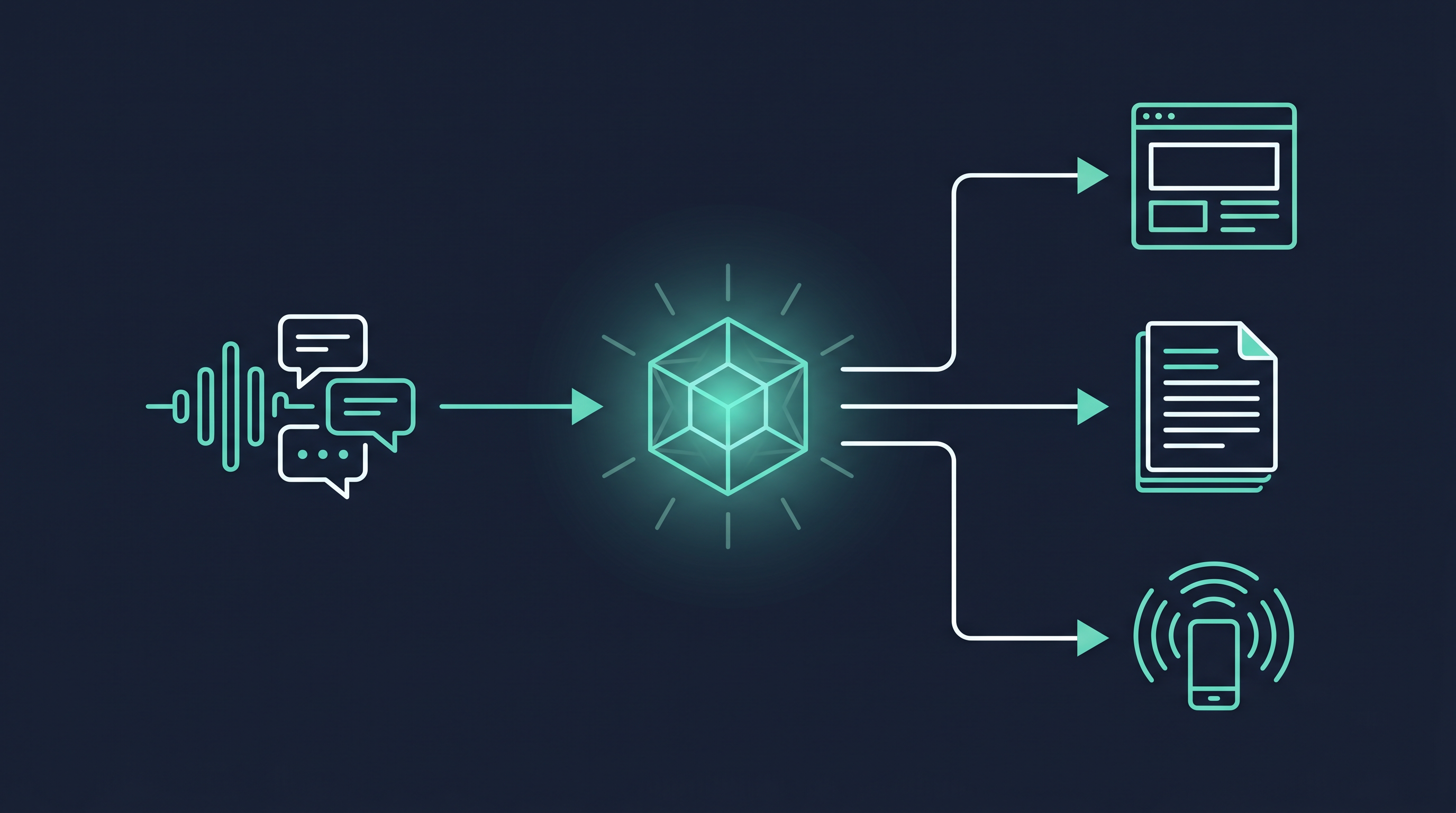
We loaded every recording into a dedicated Claude project for Pezo. From there, Claude became the single place holding all of that institutional knowledge, in the founders' and reps' own words.
Build the website from their voice, not a template
We used that Claude project to write the new website: structure, copy, and direction on layout, then built it out in HubSpot. Because the copy came from real recorded language instead of generic manufacturing boilerplate, it sounded like Pezo, not like every other machine shop's site.
Leads started coming in immediately.
We kept using the same Claude project for Pezo's blog. With clear instructions to write from the transcripts and avoid generic AI phrasing, the posts read like Pezo's own people talking, because in a very real sense, they are.
Turn the messaging into signal-based outbound
Once the website and content were live, we plugged that same founder-sourced messaging into Clay. Clay watches for specific signals: a new plant opening, a new hire in operations, a division expanding into tight-tolerance medical work. When a signal fires, our Claude project drafts messaging built around Pezo's actual value props, tied to that specific signal and title, and it lands in the CRM ready to send.
No generic sequences. No rep guessing whether someone just changed jobs. The message shows up when the need does, in language that came from the people who actually do the work.
The results
Cold outbound built this way is pulling 72% open rates and click-through rates as high as 5%, with no paid marketing behind it. The difference isn't the tool. It's that the messaging is specific to a real signal, a real title, and a value proposition that's actually unique to Pezo instead of the generic "we do manufacturing" language every competitor uses.
Why this works
AI is good at holding and organizing huge amounts of information. People are good at expressing what makes their business different, fast, in conversation, in ways that are hard to type out cold. Claude bridges the two: it takes hours of founder conversation and turns it into a working knowledge base that powers a website, a blog, and outbound messaging that actually sounds like the company it's for.
If your reps are still manually checking LinkedIn for job changes and guessing when to reach out, that's not a scale problem, it's a systems problem. The businesses that fix it first are going to out-message everyone else in their category.